New Orleans Asphalt Paving
Licensed and insured · Serving Metairie, Kenner, Gretna, Harvey, Marrero, Westwego, Chalmette, Arabi, River Ridge and Harahan
Call (504) 607-7395You can spot a New Orleans driver from a block away. We swerve around potholes that aren't even there anymore, pure muscle memory.
I'm Ray. My crew lays asphalt for homeowners, churches, apartment complexes and small businesses, from Gentilly and Lakeview out to Metairie, Kenner and across the river. What this city does to pavement isn't complicated. Rain gets under the mat, the clay underneath swells and shrinks, and by the third summer you've got alligator cracking and a low spot that holds water for two days after a storm. Nearly every job we do comes back to keeping water out of the base.
Here's what we won't do to you. We won't say eight and roll up at eleven. We won't let your call die in voicemail. We won't lecture you about base thickness, we'll walk you out to the hole and show you. And we won't leave your yard looking like St. Charles Avenue on Ash Wednesday morning.
If your base is solid, asphalt resurfacing overlays get you years more without tearing anything out. If it's soft, I'll say so, because an expert paving contractor who paves over mush is just selling you the same driveway twice. Sometimes the honest answer is asphalt driveway repair replacement, full-depth asphalt paving from the base up. Square footage, thickness, tear-out and whether a truck can reach the back all move the number.
Below you'll find how each job actually goes, sealcoating and parking lot work, where we run crews, and the questions people ask before they book. Read on, then call me and I'll come look at it.
Driveway Sealcoating
Sealer isn't paint, and it won't fix anything structural. What a good coat of sealcoating does is keep water, gas drips and that August sun off the binder holding your asphalt together, because once the binder dries out and goes gray, the rock starts letting go and you're into repairs.
Here's how we run a driveway sealcoating job. We blow and wire brush the whole surface, prime the oil spots under the car so the sealer actually bonds, hand cut the edges, then squeegee two coats instead of one thin spray pass. Stay off it for a day on foot, two before you park. We also watch the radar like everybody else in this city does in July, because a 3 p.m. thunderstorm on fresh sealer means we're doing it twice.
Where blacktop sealcoating goes wrong is watered down material rolled over dirt. It peels off in sheets by spring. The other mistake is sealing over alligator cracking to hide it, which buys you a few pretty months and nothing else. That damage needs asphalt resurfacing overlays, or if the base is shot, honest asphalt driveway repair replacement. Any expert paving contractor will tell you the same, and we'd rather say it before we take the job.
Asphalt Paving
Asphalt looks simple from the truck window. It isn't, not on this soil.
Most of what we do is new drives, private lanes and parking lots across Uptown, Gentilly, Metairie and out to the North Shore. The part you see is a two inch surface course of hot mix rolled while it's still hot enough to steam. The part you don't see is six to eight inches of compacted limestone base, proper slope so water runs off instead of ponding, and a subgrade that's been proof rolled first. That base is the roux of the whole thing. Skip it and nothing you lay on top will save you.
What goes wrong when it's rushed? Water gets under the mat. By the second wet spring you get alligator cracking, edges crumbling where a tire drops off, and low spots that hold a puddle for days after a Gulf storm rolls through. The thing an expert paving contractor spends the longest on is the part nobody ever compliments.
Square footage, how much old material has to come out, access for the truck and the shape of your drainage all move the number. A typical residential drive is a day, maybe two.
Fresh asphalt needs 60 to 90 days to cure before sealcoating, so we'll tell you when to call us back. If your base is still sound, asphalt resurfacing overlays are usually the smarter move, and when it isn't, asphalt driveway repair replacement is the honest answer.
Asphalt Patching
Potholes here almost never start at the top. Water gets in through a crack, works down into that soft Louisiana clay, and the base washes out until the surface over the hole gives up. Filling the dent and calling it done just hides the void until the next July downpour finds it again.
So we patch full depth. We saw a clean square about a foot into sound pavement, dig out the failed asphalt and the mush underneath, put back compacted limestone base, tack the vertical edges so the seam actually bonds, then lay hot mix in two lifts and roll each one. Skip the tack coat and that patch peels at the edges by Carnival season, when every delivery truck in the neighborhood is running your driveway.
Most residential patches are a one day job and you can park on it that evening. A parking lot with a half dozen bad spots usually takes a day or two, worked in sections so you keep half the lot open.
Patching has limits, and I'll say so. If the base is sound and the surface is just tired, asphalt resurfacing overlays beat a quilt of patches. If patches are touching each other, we're into asphalt driveway repair replacement, and an expert paving contractor will tell you that before you spend money twice. Fresh patches also need to cure a good month before sealcoating.
Asphalt Repair
Most repair calls I get start the same way. A soft spot near the garage apron that's been quietly getting worse since the last tropical system parked over us for three days.
The first question is whether the trouble is on top or underneath. Asphalt is only as strong as the base under it, and our soil moves, settles and holds water like a sponge. Once water finds an open joint, the stone base turns to soup and the surface follows it down. Patching over that is painting a rotted porch rail. Looks fine in the driveway, fails by August.
So we cut out the failed section square, dig to material that holds a compactor, rebuild with limestone, and lay hot mix in lifts. Most residential repairs are a one day job and you're parking on it that evening. What moves the price is how deep we have to chase the failure, how much digging is involved, and whether a truck can actually reach the spot.
If the base is sound and the surface is just tired and gray, asphalt resurfacing overlays are the cheaper road. If a third of it is gone, we talk honestly about asphalt driveway repair replacement instead.
Any expert paving contractor will tell you the same thing: fix it, then protect it with sealcoating.
Asphalt Crack Filling
A hairline crack in your driveway isn't the problem. The water it lets into the base is.
Once rain gets under the asphalt, our clay soil swells, the base softens, and that thin line becomes an alligatored mess by the next wet spring. So asphalt crack filling is cheap insurance, and the least glamorous work I do.
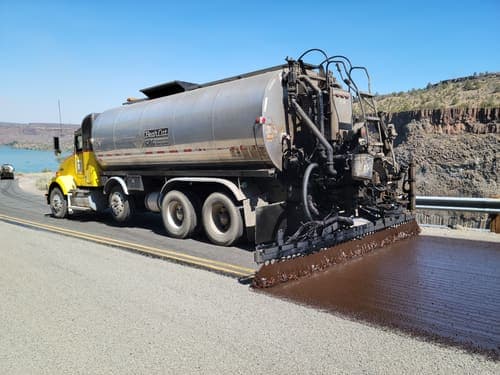
Here's the job. We rout or wire wheel the crack open, blow it clean with compressed air, and pour hot rubberized sealant in at around 380 degrees so it bonds to both walls and stays flexible when August heat moves the slab. Cold pour from a jug shrinks and pulls away by winter. If we seal driveway cracks over damp edges or over the weeds already coming up through them, it fails the same way.
Anything from about a quarter inch to an inch is filler territory. Wider than that, or crumbling at the shoulders, and you're in patching or asphalt driveway repair replacement instead. A typical residential driveway crack job takes an hour or two and you can drive on it that afternoon.
We usually do it right before sealcoating, since sealer alone bridges nothing. On bigger lots, an expert paving contractor will tell you when the crack count says it's time for asphalt resurfacing overlays.
Asphalt Driveway Repair
Your drive didn't fail all at once. One edge went soft, water snuck into the base, and by the second August you had a low spot holding a puddle every time an afternoon storm rolls through.
Real repair starts under the surface. We saw cut a clean square around the failure, pull the broken asphalt out, and look at what's down there. If the stone base is wet, contaminated or was never compacted right, patching over it just buys you a winter. We rebuild the base, compact it, tack the vertical edges so the seam actually bonds, then lay hot mix in lifts and roll it while it's still hot enough to work.
Around here the usual culprits are live oak roots lifting a slab in Uptown, and settlement in Gentilly and Lakeview where the ground keeps doing what the ground does.
Sometimes the honest answer isn't repair. That's the real question on most asphalt driveway repair replacement calls, and I'll tell you straight which side yours falls on. If the base is solid and only the top is tired, asphatl is fine and asphalt resurfacing overlays cost you less grief than a teardown.
An expert paving contractor should also tell you fresh patches need a few weeks to cure before any sealcoating goes over them.
Resurfacing Driveway
Resurfacing is what you want when the surface is tired but the bones are still good. We clean it down, fix the soft spots, tack it, and lay a fresh lift of asphalt over the top, usually an inch and a half to two inches once it's rolled. New black, straight edges, water running where it's supposed to.
The catch is what's underneath. Overlays only work over a sound base, so asphalt resurfacing overlays here start with me walking the drive and pressing on the cracked areas with a boot heel. If it flexes, that's the subgrade moving, and paving over it is a fresh coat of paint on a house with termites. Those cracks come back through the new surface by next summer. If more than a third of it is spider-webbed like the ground in Lakeview after a dry spell, we talk asphalt driveway repair replacement instead, because a resurfacing driveway job on rotten base is money you spend twice.
That call is where an expert paving contractor earns his keep.
Most single drives are a one-day job. Keep the cars off 48 hours in July heat, and wait 60 to 90 days before sealcoating. And no, a bucket of asphalt resurfacer from the hardware aisle is not the same thing.
Asphalt Milling
Milling is where we grind the old surface off instead of burying it. A cold planer takes the top inch and a half to two inches down to sound base, which keeps your curb reveal, your garage threshold and your catch basins exactly where they were. That matters here more than most places, because in this city water has to go somewhere and it always chooses the low spot.
Three things go wrong when it's rushed. Mill too shallow and the old cracks telegraph right back through the new mat by the second summer. Skip the sweep and the tack coat sits on dust instead of stone, so the new layer shears loose under tire scrub. And miss the wedge at driveway aprons and you leave a lip that eats tires.
If the base underneath is soup, milling won't save it, and that's honest asphalt driveway repair replacement work instead. If the base is solid, we may skip milling entirely and go with asphalt resurfacing overlays. Reading which is which is what an expert paving contractor is actually for.
Most residential mills wrap in a morning; a lot takes a day or two. Millings get hauled and recycled into new asphalt. Then give the new surface six to twelve months to cure before any sealcoating.
Areas we serve
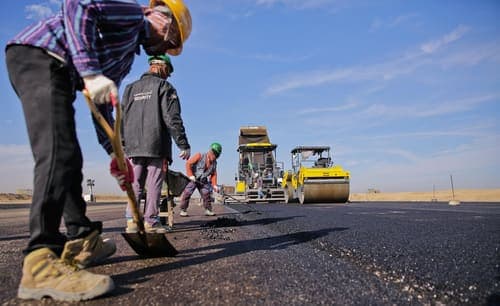
I keep the truck pointed at the same parishes most weeks, so here's where you'll actually find us working.
Paving and asphalt repair calls come in from Uptown, Carrollton, the Garden District, Broadmoor, Mid-City, Bayou St. John, Gentilly, Lakeview, Lake Vista, New Orleans East, Algiers Point, Bywater, Marigny, Metairie, Old Metairie, Kenner, Harahan, River Ridge, Gretna, Terrytown, Marrero, Harvey, Belle Chasse, Chalmette, Arabi, and up the road to Slidell and Mandeville.
What changes across that map is mostly what's under the pavement. Lakeview and Gentilly sit on soil that keeps settling, so a drive there will dish and pond long before the surface wears out, and no amount of sealcoating fixes a low spot. Uptown, the oak roots do the damage, lifting slabs and shearing edges, which is usually an asphalt driveway repair replacement conversation rather than a patch. Out in Metairie and Kenner the aprons are wide and the base is decent, so asphalt resurfacing overlays go down clean in a day. West Bank lots take heat and standing water in equal measure, and asphalt sealcoating there buys you a couple of summers, not ten years.
Honest limit: Northshore jobs mean crossing the Causeway with a loaded trailer, so those start early or they don't start. And a small driveway in Slidell usually waits until I've got another one nearby, because dragging equipment 40 miles for two hours of work isn't an expert paving contractor being efficient, it's me wasting your morning.
Frequently asked questions
Is 2 inches of asphalt enough for a driveway?
For cars and a pickup, yes, provided what's underneath is right. We lay two inches of compacted surface over six to eight inches of compacted limestone base, and the base decides whether you're still happy in year eight. If a work truck or a loaded boat trailer lives on it, we go three inches in two lifts. Anybody can spread hot mix; an expert paving contractor spends the morning on the base before a single shovel of asphalt comes off the truck.
How long does an asphalt driveway last in New Orleans?
Fifteen to twenty years if you keep water out of it. Our weather is rough on pavement: sun that bakes the binder out of the surface, afternoon storms, and clay that never sits still. Sealing every two to three years slows the drying and raveling, and crack filling before summer keeps rain from reaching the base. Skip both and you're having the asphalt driveway repair replacement conversation closer to year ten.
What's the difference between sealcoating and resurfacing?
The short version: sealcoating is a coating, resurfacing is new pavement. A sealcoat goes on about as thick as a credit card and shields the surface from UV, gas drips and water. It won't close a crack or level a dip. When the top is raveled or alligatored but the base is sound, asphalt resurfacing overlays put an inch and a half to two inches of new material over the top. If the base has failed, neither one saves it.
How soon can I park on it?
Foot traffic the same day, vehicles in 24 to 48 hours, and in July or August give it three days, because heat keeps fresh pavement soft longer. Driveway sealcoating cures quicker: walk on it that evening, park the next morning. For the first month, don't crank the steering wheel while you're sitting still, and slip a scrap of plywood under trailer jacks and kickstands. Point loads dimple warm blacktop.
Will the equipment tear up my yard?
Usually not, and I'll tell you before we start if I think it might. A loaded dump truck runs 20 tons or better, so we stage in the street where we can and stay off soft ground after a wet week. We ask where your irrigation lines and drain runs are first, and we'll walk the oak roots with you and say honestly which ones we can pave over and which need a different plan.
Why do commercial lots get paved and sealed overnight?
Because the surface has to be empty and dry, and no restaurant on Magazine Street wants to lose its lunch parking. We schedule parking lot sealcoating and paving in halves after close, so tenants keep a way in the whole time.
Ready when you are
Call me. That's the whole ask.
Here's the honest part about timing: sealcoat needs pavement above about 50 degrees and a full day dry on either side, and from May through September this city hands us those three o'clock thunderstorms like clockwork. So spring and fall fill up. In the busy stretch we're usually two to three weeks out, and I'd rather tell you that now than string you along.
When you call the number at the top of this page, here's what happens. I come out, measure, and walk the drive with you. If the base is still sound, I'll say so, and asphalt resurfacing overlays or a good coat of sealcoating will do the job. If it's soft and pumping water, asphalt driveway repair replacement is the conversation we'll have standing on it, not over the phone. Then you get a written estimate. It costs nothing and it books nothing.
What you want from an expert paving contractor is someone who'll tell you when to spend and when to wait. That's most of what I do all week, laying asphalt from Lakeview to Algiers.
Number's at the bottom of this page too. Use it.
P.S. If it rains the morning we're scheduled, we don't seal. I'll call you and we'll move it. Nobody's ever been mad about that.